Selling a home nowadays begins long before the physical visit. The first contact between the buyer and the property happens online, through the images in the listing. That’s why knowing how to take photos to sell a house can make the difference between receiving many visits or spending months on the market without results.
In this article, we explain how to prepare a good photo report to sell a house, what mistakes to avoid, and why professional photography has become one of the most decisive factors in selling a home.
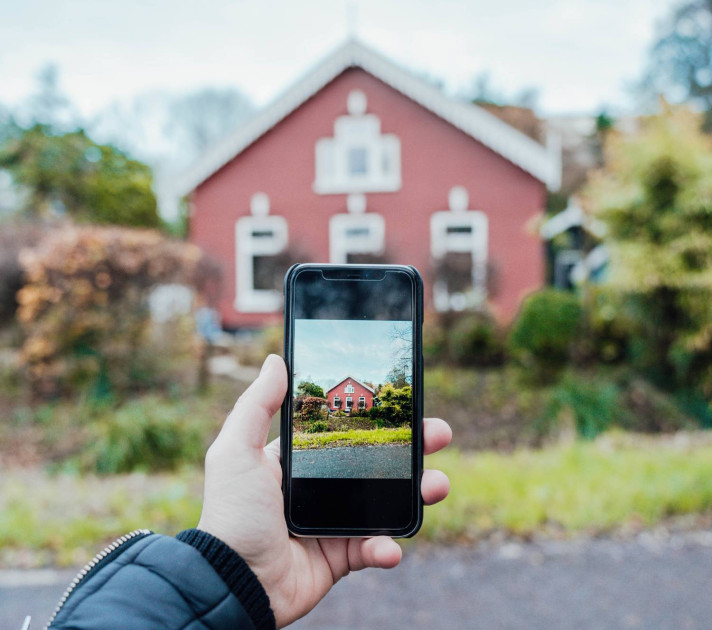
Nowadays, the first visit to a property is no longer in person, but digital. Before deciding whether they want to visit a property, buyers analyze the online listing and its photos.
In fact, various studies in the real estate sector show that listings with high-quality images generate far more interactions.
A striking fact is that a large proportion of real estate listings do not properly present the properties. In many cases, it’s not because the properties are poor, but because they are poorly showcased.
In the real estate market, it is common to find:
The result is clear: properties that could be sold within a few months stay on the market much longer simply because the photos do not reflect their true value.
When a user searches for photos to sell a house or browses a real estate listing, they are actually trying to answer three very specific questions:
Images must convey space, clarity, and a sense of home. To achieve this, it’s important to take care of aspects such as lighting, composition, order, perspective, and consistency between images.
A good photo report allows the buyer to understand the space and imagine themselves in it, which is essential to generate real interest.
If you want to know how to take photos to sell a house, here are some of the most important aspects to consider.
Before starting to photograph, it’s essential to prepare the property. Some basic tips:
The property should convey spaciousness, brightness, and neutrality.
The angle from which a photo is taken completely changes the perception of the space. To take good photos to sell a house, it is recommended to shoot from the corners of the room, use horizontal framing, keep the camera straight, and avoid exaggerated distortions.
This way, you can show the full space and convey a greater sense of openness.
Light is one of the most important factors in real estate photography. Whenever possible, take photos during the day, open all curtains, turn on lights if needed, and avoid harsh shadows.
Proper lighting makes images look more attractive and realistic.
A good photo report to sell a house is not just a collection of images, but a visual story that guides the buyer. The ideal order is usually:
This helps users understand the layout of the property.
Many properties do not sell quickly because the photos create a poor first impression.
Among the most common mistakes are:
After taking photos to sell a house, an equally important phase begins: selecting which images will appear in the real estate listing. Not all photos should be published. Choosing the right ones is key to generating interest and securing visits.
The images in the listing should help the buyer understand the property, imagine living in it, and feel motivated to get in touch. To do this well, it’s important to follow some basic criteria.
The first image in the listing determines whether a user decides to click on it or continue browsing other options. Therefore, it is essential to choose the most attractive photo of the entire property as the cover. Ideally, it should stand out for its lighting, sense of space, visual appeal, and clean, well-composed framing.
In many cases, the living room, terrace, or a particularly attractive view works very well as the main image. A strong cover can significantly increase listing views.
When someone searches for a property online, they want to get a clear idea of the home before requesting a visit. That’s why it’s recommended to include a sufficient number of images. The more visual information the buyer has, the easier it will be to build trust and genuine interest.
It is common to slightly adjust photos to improve brightness or color balance. However, excessive editing can be counterproductive.
The goal of the images is not to transform the property, but to present it in the best possible way without altering reality. If overly strong filters or artificial effects are used, the buyer may form an inaccurate perception of the property. Subtle, technical editing always works better than excessive manipulation.
In addition to photos, some listings include a short video or visual walkthrough of the property. This type of content helps better understand the layout and the relationship between different rooms. A well-made video can convey a sense of space, flow, and overall atmosphere.
However, if the video quality is poor, it may create an unprofessional impression. In that case, it’s better to focus on a strong photo report.
In addition to photos and video, 3D virtual tours allow you to present a property in a more complete, realistic, and interactive way. These are digital walkthroughs that enable buyers to explore the property online as if they were inside, moving through the rooms and understanding the layout much better. In this field, Matterport is one of the most well-known and advanced technologies, as it allows you to create smooth, accurate, and easy-to-navigate 3D tours. Including this type of experience in a real estate listing improves presentation, adds transparency, and helps buyers arrive at the physical visit with a much clearer understanding of the property.
Although it is now easy to take images with a mobile phone, professional real estate photography remains one of the factors that most influence the success of a listing. A professional knows how to:
For this reason, many real estate agencies choose to include a professional photo report to sell a house, as it helps the property stand out from others on the market.
Home Staging is a real estate marketing technique that consists of preparing a property to make it more attractive before putting it on the market. The goal is to improve the presentation so the property stands out in listings and generates more interest among buyers.
It does not involve renovations, but rather small adjustments such as tidying and decluttering rooms, removing personal items, improving lighting, rearranging furniture, or adding neutral decorative elements. These improvements make spaces appear more spacious, brighter, and more welcoming, which is essential to achieve better photos to sell a house.
When Home Staging is combined with a professional photo report to sell a house, the listing becomes much more attractive and increases the chances of receiving more visits and selling faster.