Back to list

Home staging: what it is and how it can help you sell a property

Discover what home staging is, exactly what it involves, what real benefits it provides, and how it can help you sell your property under better conditions.
Home staging: what it is and how it can help you sell a property

Home staging has established itself in Spain as one of the most effective techniques to accelerate the sale of a home and improve the final closing price. In a market as competitive as the Costa Brava real estate sector, where buyers look for properties that immediately convey a life experience, properly preparing the presentation of the home can make the difference between selling in weeks or waiting months.

In this article, we explain what home staging is, exactly what it involves, what real benefits it provides, and how it can help you sell your property under better conditions.

Home staging: meaning and origin

The meaning of home staging comes from English and literally translates as "putting the home on stage." The term was coined in the early 1970s in the United States by designer Barbara Schwarz, considered the pioneer of this discipline, who observed that homes presented in a cared-for and neutral way sold faster and at a better price.

Since then, the technique has spread worldwide and has seen steady expansion in Spain since 2010, especially in markets with high demand for second homes such as the Costa Brava, Costa del Sol, or the Balearic Islands.

Home staging is neither traditional decoration nor renovation: it is a real estate marketing strategy oriented towards a single objective: selling the property in the shortest possible time and at the best price.

In practical terms, home staging can be summarized as follows: it is the set of techniques that prepares a home for commercialization, making it as attractive as possible to the largest number of potential buyers.

Unlike interior design, home staging does not seek to personalize the home to the current owner's taste; quite the opposite: it aims to depersonalize and neutralize it so that any buyer can envision themselves living there.

Common actions in a home staging project

A professional home staging project may include, among other interventions:

  • Depersonalization: removing family photos, religious objects, personal keepsakes, and elements that identify the current owner.
  • Decluttering: removing excess furniture, accessories, and objects that create a sense of saturation.
  • Space reorganization: redistributing furniture to improve circulation and highlight the spaciousness of each room.
  • Small aesthetic improvements: painting walls in neutral tones, replacing handles, changing obsolete faucets, or renewing textiles.
  • Strategic lighting: making the most of natural light and reinforcing artificial light with additional lamps.
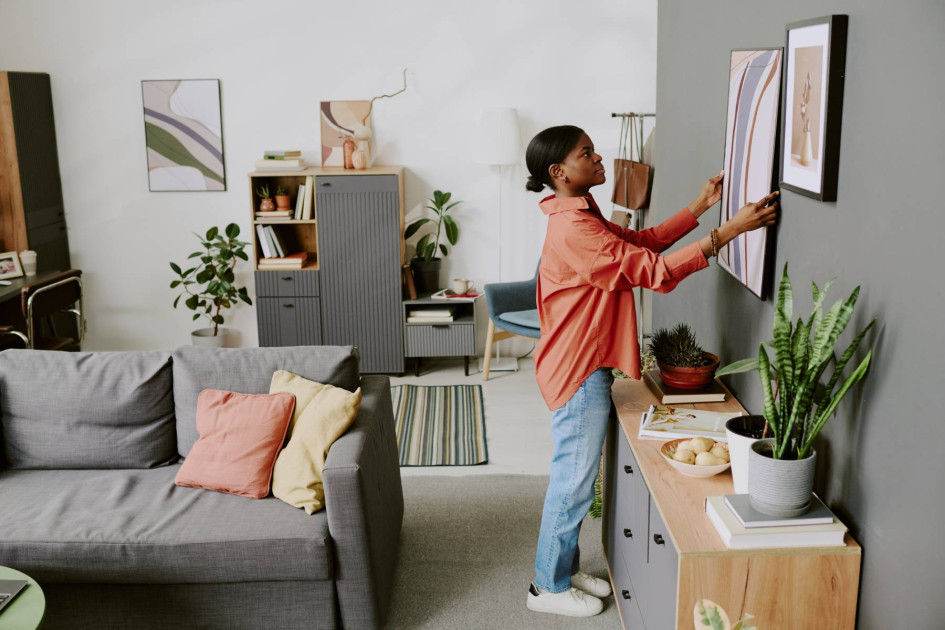
  • Props and styling: incorporating neutral decorative elements (plants, cushions, paintings, rugs) that generate warmth.
  • Minor repairs: fixing visible defects such as surface dampness, cracks, or poorly adjusted doors.

The ultimate goal is for the buyer, upon crossing the threshold, to imagine themselves living in the house from the very first minute.

Differences between home staging, decoration, and interior design

These three disciplines are often confused, but they respond to very different objectives:

Decoration: seeks to personalize a space according to the owner's taste, without a specific commercial goal. It is subjective and long-lasting.

Interior Design: involves a comprehensive design project that may include structural renovations, custom furniture, and technical solutions. Its purpose is to create a functional and aesthetic space adapted to those who will inhabit it.

Home staging: is a sales tool with a tight budget, limited timeframe, and 100% commercial orientation. It prioritizes aesthetic neutrality, low cost, and the profitability of every euro invested.

The basic rule of home staging is clear: invest a little to sell much better.

Benefits of home staging for selling a property

Industry data shows that applying home staging has a measurable impact on sales operations.

Reduction in sales time

Homes with home staging sell, on average, up to three times faster than unprepared properties. In very active markets like the Costa Brava, this can translate into closing the sale in a few weeks instead of months.

Improvement of the final sale price

A well-presented home generates greater competition among buyers, which reduces the margin for downward negotiation. In many cases, home staging allows you to maintain or even increase the asking price, avoiding significant discounts during negotiation.

Increase in viewings and better conversion

Properties with professional photography and careful presentation multiply clicks on real estate portals and attract better-qualified visitors—that is, buyers with a real intention to purchase.

Differentiation from the competition

In areas with a high concentration of supply such as Begur, Llafranc, Pals, or Tamariu, home staging allows a property to stand out visually against others similar in price and characteristics.

Positive first impression

Various studies on real estate buyer behavior suggest that the purchase decision is formed in the first 90 seconds of the visit. Home staging works precisely on that critical moment.

Phases of a home staging project

A professional project usually follows these phases:

  • Initial visit and diagnosis. The professional analyzes the home, identifies strengths and weaknesses, and defines the target buyer based on location, typology, and price.
  • Proposal and budget. An action plan is presented with specific interventions, deadlines, and estimated costs.
  • Project execution. The agreed actions are carried out: depersonalization, small improvements, furniture reorganization, styling, and, if applicable, furniture rental.
  • Professional photoshoot. Once the home is prepared, a graphic report is produced for use on portals, websites, and marketing materials.
  • Maintenance during commercialization. The professional can advise on how to preserve the state of the home during viewings.

Home staging and professional real estate photography

Home staging and photography are two inseparable elements in a modern sales strategy. There is little point in preparing a home in detail if the images published do not convey that work.

Why photography is decisive

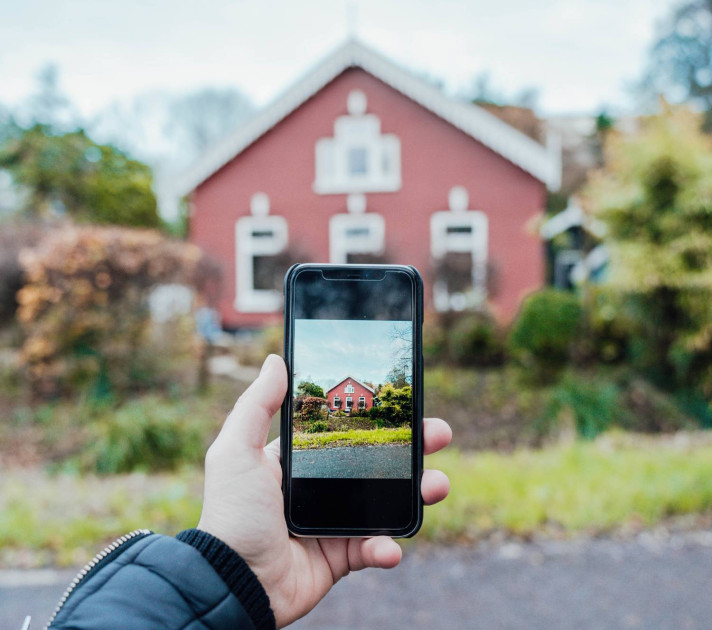
More than 90% of buyers start their home search online, according to major European real estate portals. This means that photographs are the true storefront of the property and, in practice, what decides whether a user requests a viewing or moves on to the next ad.

Characteristics of a good real estate photographic report

A professional home staging photography session should include:

  • Balanced lighting, combining natural and artificial light.
  • Wide angles that show the entirety of the rooms without excessive distortion.
  • Professional editing to correct color, contrast, and perspective.
  • Exterior photographs that take advantage of the surroundings, especially relevant in Costa Brava properties with sea views, gardens, or pools.
  • Virtual tours or aerial videos as a complement, increasingly demanded by international buyers.

Investing in professional photography to sell a house, combined with home staging, significantly multiplies the number of qualified leads the advertisement receives.

Virtual home staging: the digital alternative

Virtual home staging is a digital variant that allows transforming photographs of a home using 3D rendering software, without physically intervening in the property. This technique is particularly practical in the following cases:

  • Empty homes where you want to show the potential of the furnished space.
  • New builds off-plan, before construction or delivery.
  • Properties for renovation, where you want to show the final result after a possible refurbishment.
  • Inhabited properties where owners do not wish to make physical changes.

Although its cost is lower than physical home staging, it has one major limitation: the buyer does not find the home exactly as they see it in the photographs. Therefore, virtual images must be clearly identified as such in advertisements to avoid frustration during the viewing.

Home staging in Costa Brava properties

In the Costa Brava real estate market, home staging takes on particular nuances. Most buyers have a mid-to-high profile, are frequently international (French, Belgian, German, Swiss, British), and are looking for more than just a home: they are chasing a Mediterranean life experience. Home staging allows for:

  • Enhancing the natural environment: framing sea views, gardens, or pools as the protagonists of the images.
  • Mediterranean tones and noble materials: prioritizing light palettes, natural stone, wood, and natural textiles that connect with the area's aesthetic.
  • Seasonal styling: a home prepared for viewings in spring or summer should convey freshness, luminosity, and outdoor living.
  • Adaptation to the international buyer: spaces must be understandable and attractive even for profiles who do not share local aesthetic codes.

In emblematic properties in Begur, Llafranc, Sa Tuna, Aiguablava, Pals, Tamariu, Sa Riera, or Calella de Palafrugell, correct staging can significantly accelerate the sale and consolidate the asking price.

FAQ

What is home staging and what is it for?

Home staging is a real estate marketing technique that prepares a home for sale or rent with the goal of making it more attractive to the largest possible number of buyers. It serves to accelerate the sale, improve the final price, and differentiate the property from similar ones on the market.

What is the meaning of home staging?

The literal meaning of home staging is "putting the home on stage." The term originates from the United States and refers to the process of preparing and presenting a home as if it were a storefront, depersonalizing it and highlighting its best features to facilitate its sale.

What is the difference between home staging and decoration?

Home staging seeks to sell a home to as many people as possible, so neutrality and return on investment are prioritized. Decoration, on the other hand, personalizes a space according to the owner's taste, without a specific commercial objective.

Is professional photography part of home staging?

Yes. Professional real estate photography is the natural culmination of a home staging project. A well-prepared home needs images that convey that work on real estate portals and marketing materials. Without good photography, the effort put into home staging loses much of its effect.

How much does home staging cost for a property?

The cost usually ranges between 0.5% and 1.5% of the property's sale price. In absolute figures, it can range from about €150 for occasional advice to €6,000 or more for comprehensive projects involving furniture rental for empty homes.

Does home staging work for luxury properties on the Costa Brava?

Yes, and in fact, it is especially effective for high-end properties. In this segment, careful presentation and professional photography are decisive in attracting national and international buyers who value the visual experience before traveling to visit the home.

What is virtual home staging?

Virtual home staging is the digital version of this technique. It consists of transforming photographs of a home using 3D software to show how it could look furnished or renovated, without the need for physical intervention in the property. It is useful for empty homes, new builds, or properties in need of renovation.